
This is a Recumbent Bike Vs Upright Bike Comparison, especially if you are not sure which one to purchase.
If indoor cycling is on your radar, you’ve probably seen both recumbent bikes and upright bikes pop up when doing your homework. These two types of exercise bikes both get your heart pumping and muscles working, but how they feel, how they fit your body, and the kind of workouts you can do are actually pretty different. Choosing between the two can feel a bit confusing if you don’t know what really sets them apart beyond just their looks.
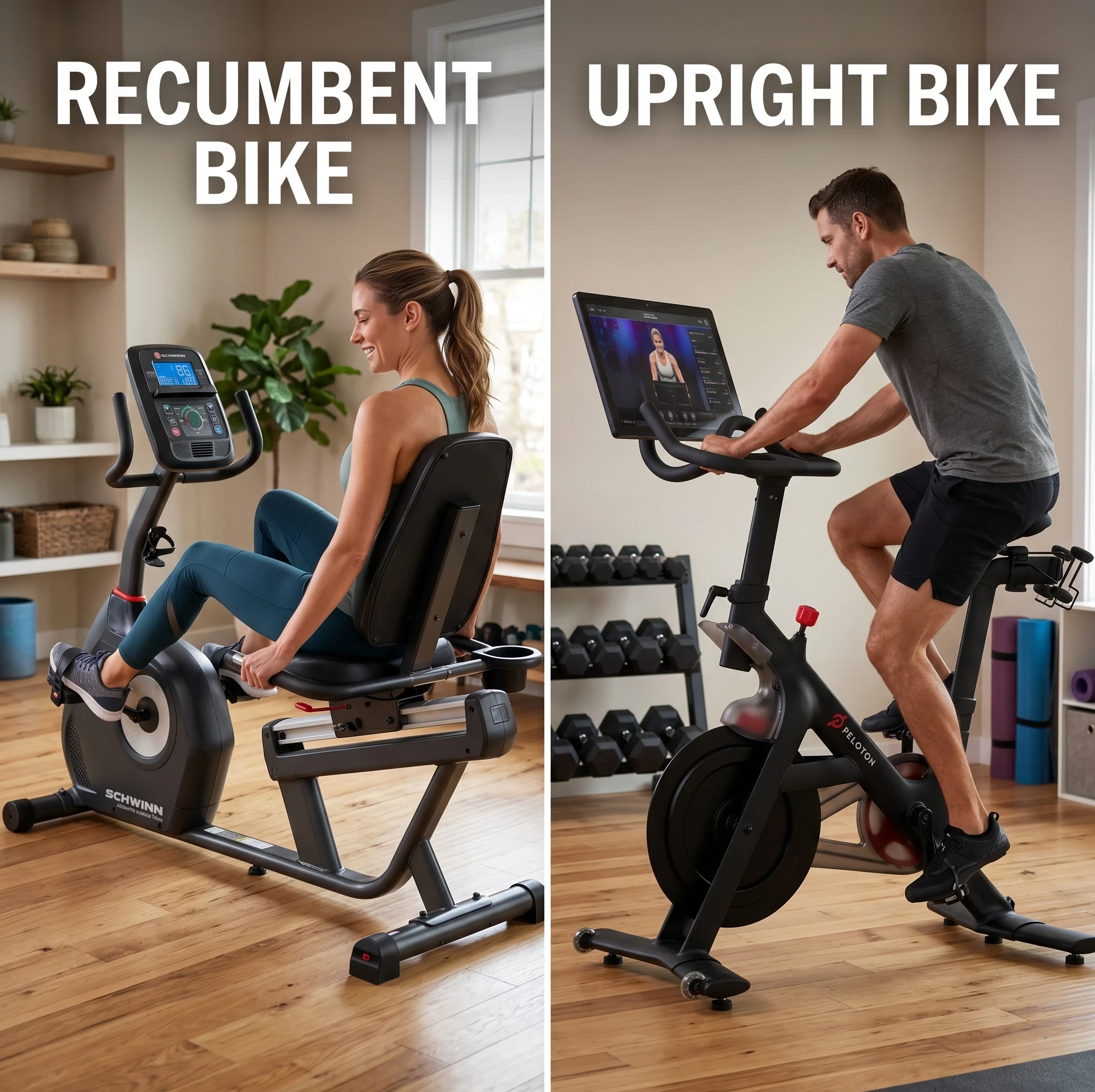
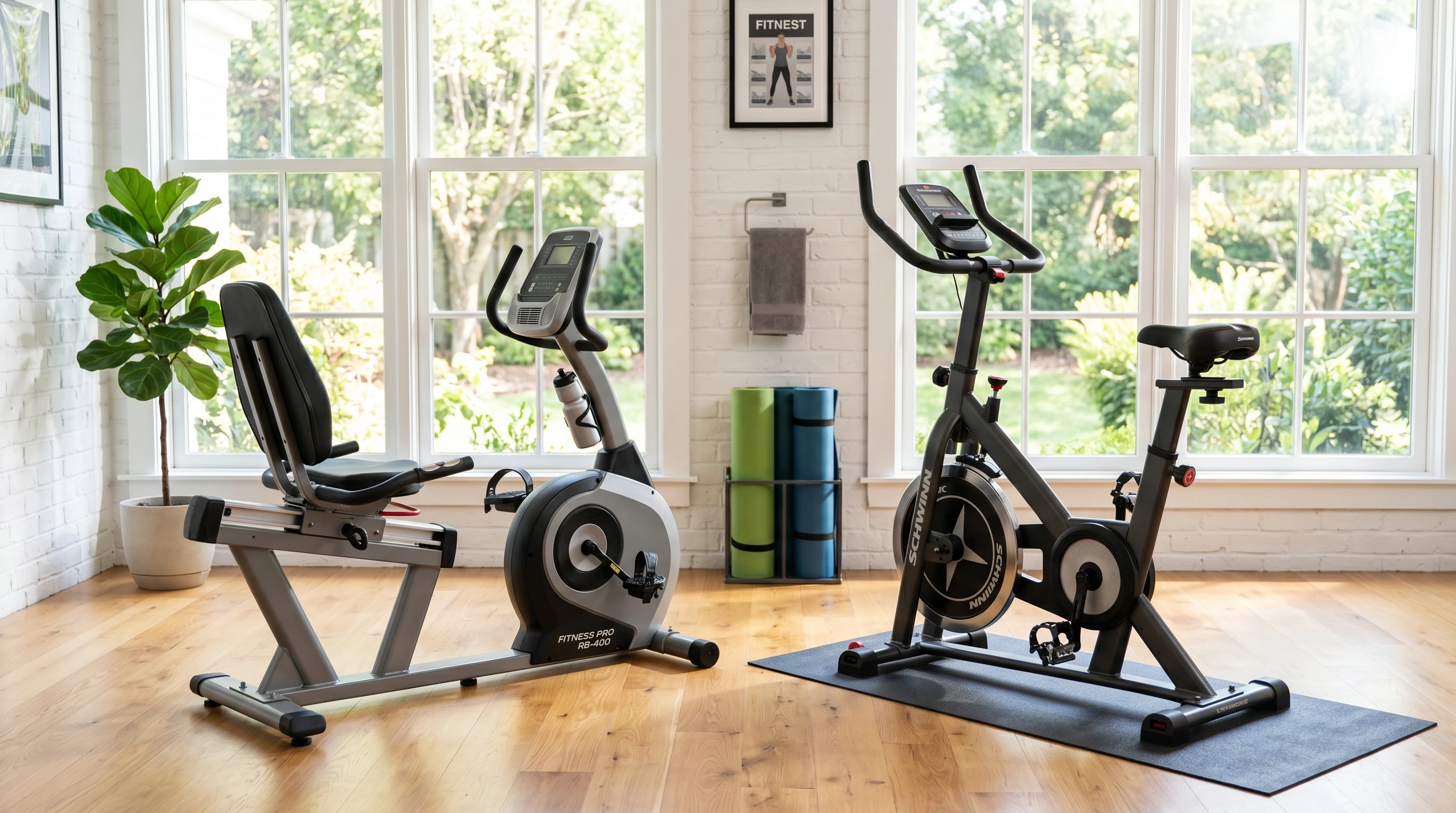
Recumbent bikes are easy to recognize thanks to their large seat with a backrest and a pedal layout that puts your legs out in front of you. Upright bikes look and feel more like traditional outdoor bikes—smaller seat, no backrest, and pedals directly under your body. Both styles can deliver a good cardio workout, but they each bring their own benefits (and quirks) to the table.
If you’re wondering which bike will give you the ride you want, this article will break down the differences between recumbent and upright bikes, including comfort, muscle engagement, ease of use, workout intensity, and more. Read on as we check out their distinctive features so you can pick what truly suits your needs.
Recumbent Bike Vs Upright Bike Comparison
Let’s further explore this Recumbent Bike Vs Upright Bike Comparison…..
What is a Recumbent Bike?
A recumbent bike is an exercise bike that lets you sit in a reclined position with your legs out in front of you. The wide, chairlike seat and supportive backrest make this option super comfortable and easy on your joints. Pedaling feels laid-back and there’s very little pressure on your lower back or wrists. You’ll often find these bikes in rehab centers or gyms for folks who want low-impact exercise.
Who Benefits Most from Recumbent Bikes?
- People with lower back issues or joint pain
- Older adults or beginners looking for a gentle way to stay active
- Anyone who wants to watch TV, read, or scroll on their phone during workouts
Recumbent Bike Pros & Cons
Pros:
- Super comfy, thanks to the backrest and wide seat
- Less stress on knees and back
- Easy to get on and off; great for anyone with mobility issues
Cons:
- Not as challenging for intense cardio or full-body workouts
- Can take up more space because of the reclined design
- Less core and upper body engagement
What is an Upright Bike?
An upright bike looks like a classic road bike, with a small seat, handlebars out front, and pedals underneath you. The riding position makes you lean forward a bit, which feels familiar if you’ve cycled outdoors. These bikes usually have a narrower footprint and are a staple in most gyms.
Who Benefits Most from Upright Bikes?
- People who want a workout that mimics outdoor cycling
- Riders looking to boost workout intensity and burn more calories
- Folks who want to work multiple muscle groups
Upright Bike Pros & Cons
Pros:
- Takes up less floor space
- Stronger leg, core, and upper body workout
- Higher calorie burn in less time (with standing or highresistance intervals)
Cons:
- Less comfortable, especially for longer sessions
- Can cause saddle soreness
- Not as easy on the joints or for people with mobility challenges
Key Feature Comparisons
- Comfort & Ergonomics
Why it matters: Feeling good while you ride means you’ll actually want to use your bike.
Recumbent Bikes: Offer a laidback experience. The backrest and wide seat are forgiving if you have back or joint issues. Longer rides are easy and you’re unlikely to feel saddle discomfort.
Upright Bikes: The riding position can be tough on your wrists, lower back, and rear. For some people, especially if you’re new to cycling, the small seat can be a dealbreaker for comfort.
Most comfortable for: Recumbent bikes - Workout Intensity & Calorie Burn
Why it matters: If your goal is to burn as many calories as possible or build more strength, intensity counts.
Recumbent Bikes: These tend to provide a more relaxed workout. Perfect for steady-state cardio and lowimpact exercise, but it’s tough to get your heart rate very high.
Upright Bikes: You can pedal harder, stand up out of the saddle, and use higher resistance for a sweatier, tougher ride. This makes it easier to burn more calories and improve fitness faster.
For intensity: Upright bikes are a stronger choice - Muscle Engagement
Why it matters: The more muscles you can activate, the better your total workout.
Recumbent Bikes: Focus mostly on your legs—mainly your quads, hamstrings, and glutes. Your core and upper body do very little work.
Upright Bikes: Engage your core to stabilize yourself and your arms for support, in addition to all your leg muscles.
Allaround engagement: Upright bikes come out ahead - Accessibility & Ease of Use
Why it matters: Some people need a bike that’s easy to use regardless of age or limitations.
Recumbent Bikes: Super easy to get on and off, thanks to the stepthrough design. Less balance required.
Upright Bikes: Can be tricky to mount, and balancing on the small seat isn’t always easy for everyone.
Easiest to use: Recumbent bikes - Footprint & Home Space
Why it matters: Many people want a bike that won’t swallow their home gym or living room.
Recumbent Bikes: Usually longer and lower, needing more floor space.
Upright Bikes: More compact, easier to fit into tight spots.
Spacesaving winner: Upright bikes
User Reviews & Common Feedback
- Recumbent Bike Owners: A lot of people love these bikes for their comfort, especially if they’ve had injuries or dislike traditional bike seats. The downside you’ll hear is that advanced cyclists find these bikes too easy or not challenging enough.
- Upright Bike Owners: Some riders are hooked on the workout they get, calling it much closer to outdoor cycling. Complaints usually come down to seat discomfort and aches during long rides.
Overall Reputation: Both types have their fans, and comfort is a common deciding factor. Upright bikes often score higher with more serious cyclists and people after tough workouts, while recumbent bikes consistently get top marks for accessibility and comfort.
Which Bike Should You Choose?
Both recumbent and upright bikes are solid options for indoor cardio; you just need to match the bike to what matters most in your own routine. Whether you’re focused on comfort during long rides, want a sweat-inducing cardio blast, or prioritize something gentle on your joints, your decision should reflect those needs.
If space is tight or you’re all about getting a workout that mirrors an outdoor cycling adventure, the upright bike’s compact form and more intensive engagement are appealing. If comfort, support, and a laidback pace are at the top of your list, a recumbent bike makes it easy to ride for longer sessions—maybe even catching up on shows or reading a book as you go.
Choose a Recumbent Bike if you:
- Prioritize comfort and back support
- Have joint pain, limited mobility, or want a gentle workout
- Like the idea of longer, more relaxed sessions (maybe while multitasking)
Go with an Upright Bike if you:
- Want a challenging, more traditional cycling workout
- Hope to improve overall fitness, strength, and calorie burn
- Have a smaller space or love more intense training
Indoor cycling can be adjusted to fit almost any fitness level or physical need, and picking the right bike can really help you stick with your routine. Trying both styles before you buy, or picking up a shortterm gym membership, is a smart move if you’re still unsure. No matter which bike you land on, you’re signing up for a workout that’s gentle on joints and easy to keep in your routine. Ultimately, finding the bike that helps you stay motivated and comfortable will set you up for success and long-term consistency. Happy riding!